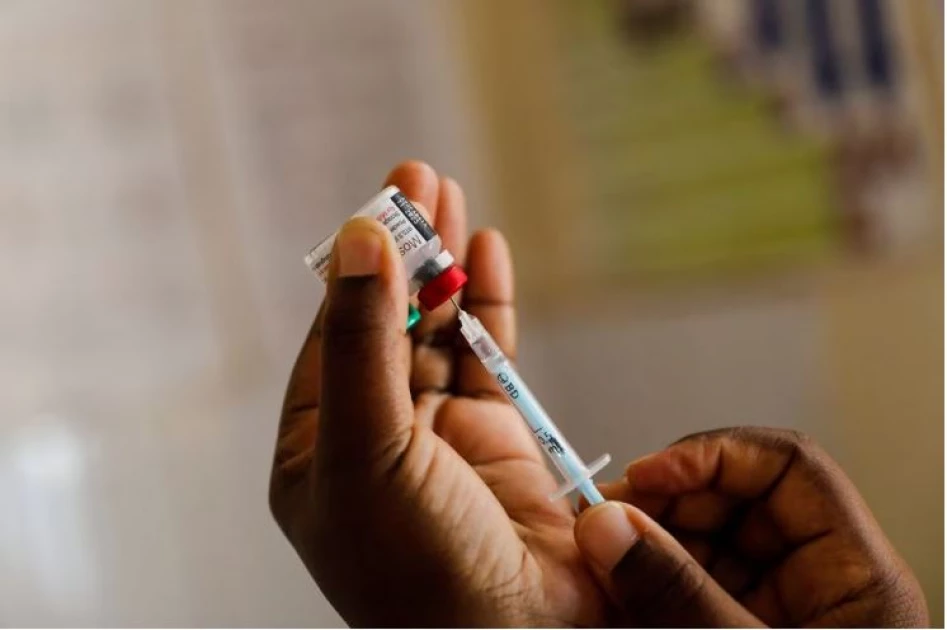
Kenya has significantly reduced malaria infections by 70 per cent over recent years, marking a major public health milestone driven by sustained prevention campaigns, decentralised response systems, and expanded access to treatment, health officials have announced.
Public Health Principal Secretary Mary Muthoni said the progress reflects the impact of the Kenya Malaria Strategy 2023–2027, which has prioritised grassroots interventions, strengthened surveillance, and improved coordination between national and county health systems.
She noted that the country has increasingly shifted care closer to communities, with testing and treatment now widely available at local level to improve early diagnosis and reduce strain on hospitals.
Latest Stories
- Probe launched into alleged financial irregularities as Hussein, Mariga tussle over FKF leadership
- Court of Appeal overturns Malindi ruling on expanded abortion rights
- Oparanya warns ODM over Western Kenya exclusion, faults internal balance
- Why there’s traffic snarl-up along Nakuru–Eldoret Highway
- Ex-CS Muturi demands forensic audit of Hustler Fund system
The gains have largely been attributed to aggressive vector control efforts, including the nationwide distribution of 14.6 million treated mosquito nets and near-universal indoor spraying coverage in high-risk areas.
At the sub-national level, counties within the central highlands such as Kirinyaga, Nyeri, Nyandarua and Laikipia are approaching elimination thresholds, reporting minimal or near-zero locally transmitted cases.
Kirinyaga, which hosted this year’s national World Malaria Day celebrations, has also strengthened its surveillance capacity through a reference laboratory that supports faster detection and response to emerging cases.
The strategy guiding these interventions is built on expanding equitable access to services, integrating new tools such as vaccines alongside traditional prevention methods, and enhancing real-time data systems to track infections and guide action.
It also promotes increased domestic financing through a dedicated malaria fund while encouraging local ownership of programmes through community engagement and county-led implementation frameworks.
Globally, however, malaria remains a major health burden, with hundreds of millions of cases reported annually. Funding gaps, climate-related risks, and resistance to drugs and insecticides continue to threaten progress.
Kenyan authorities say maintaining momentum will depend on sustained investment, stronger partnerships, and scaling up locally driven solutions to prevent resurgence and move closer to elimination.


Comments
Sign in with Google to comment, reply, and like comments.
Continue with Google